
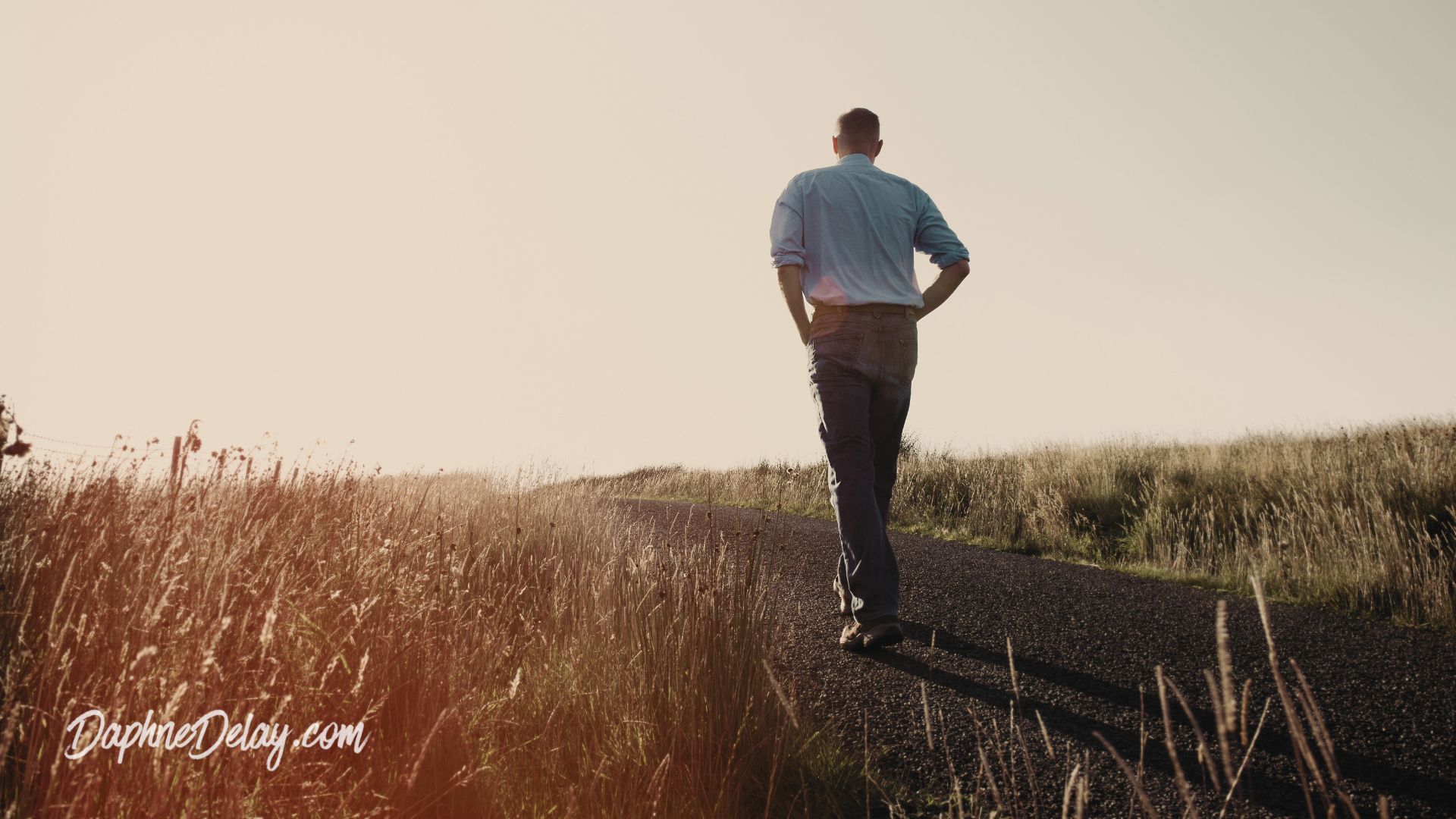
One of the coolest stories in scripture follows the resurrection of Jesus, which makes sense to look at it following our Easter celebrations. It’s the story of two disciples on their way to Emmaus.
The Bible says they were walking and discussing everything that had taken place. In fact, it says they were discussing and arguing the events when Jesus came near to them, but they didn’t recognize it was Him.
It’s not hard to picture the scene. How many times have we been in a slightly heated conversation, a bit oblivious to others (and other things) going on around us? It happens. But I love how Jesus engaged with them. He obviously knew what had occurred but asked anyway to help them locate their faith.
“What happened?” he asked them. So they said to him, “The things concerning Jesus of Nazareth, who was a prophet powerful in action and speech before God and all the people, and how our chief priests and leaders handed him over to be sentenced to death, and they crucified him. But we were hoping that he was the one who was about to redeem Israel…” (Luke 24:19-21).
Faith identified.
Two things stand out to me: one, they called him a prophet, and two, they were hoping he would redeem Israel. Hope is good. The Bible says “faith is the substance of things hoped for, the evidence of things not seen” (Hebrews 11:1). But the fact that they called Jesus a prophet tells us their faith had wavered.
We can’t fault them. If we’re honest, we’ve been there– when circumstances look dramatically different than what we were believing for. But the danger is when the language of our faith changes based on surrounding conditions.
Jesus recognized this, and corrected it: “How foolish you are, and how slow to believe all that the prophets have spoken! Wasn’t it necessary for the Messiah to suffer these things and enter into his glory?” (Luke 24:25-26). Notice he pointed out who the real prophets were and who He was– the Messiah.
This is important.
If we don’t see things rightly, we won’t talk rightly.
And if we don’t talk right, we won’t believe right.
Proverbs addresses this for us: “My son, pay attention to my words; listen closely to my sayings. Don’t lose sight of them; keep them within your heart” (Proverbs 4:20-21). In other words, it’s important to know the word of God and not let anything cause it to move or change. “For they are life to those who find them, and health to one’s whole body. [Therefore] Guard your heart above all else, for it is the source of life” (verse 22-23).
The heart is a filter– it’s how the eyes see and the ears hear. If we’re not careful to guard our heart (which includes eyes and ears), we’ll be led astray and follow after our feelings instead of truth. And let’s be honest, feelings aren’t always accurate.
No wonder the two disciples on the road to Emmaus were arguing. Feelings and opinions were dominating their conversation. They strayed from the words of Jesus. They forgot to keep the faith no matter how it looked in that moment.
This is our lesson.
What we focus on in challenging situations will be our center, so it’s imperative to focus well. Chaos, confusion, and arguments will always be the result of wrong focus.
But singular vision gives our faith strength. “Let your eyes look forward; fix your gaze straight ahead. Carefully consider the path for your feet, and all your ways will be established. Don’t turn to the right or to the left; keep your feet away from evil” (Proverbs 4:25-27).
Jesus rightly corrected the disciples but then graciously showed them how to get back on track: “Then beginning with Moses and all the Prophets, he interpreted for them the things concerning himself in all the scriptures” (Luke 24:27).
The answer to any situation will always be: What does the Word say?
The Holy Spirit will always reveal Jesus, and therefore reveal our focus when we turn to God’s Word.
I heard an illustration from a ministry friend of ours that I’ve never forgotten. He asked us what a blinker was, and all of us answered that it was the switch on the car that lets those behind you know the direction you’re turning. He said true, but then shared how the “blinders” on the eyes of a horse are also called “blinkers.” The difference between blinkers on a car and a horse is who’s in control.
In my car, I’m in control. But for a horse, the the owner controls his sight.
And that’s what God’s Word does for us. It removes distractions and gives us singular focus.
Distractions are inevitable (and the enemy loves to use them against us) but the horse with blinkers is unaffected by anything except what is directly in front of him (the direction controlled by the owner).
So I pray this lesson sticks with you. I pray Jesus won’t have to redirect our course in a few weeks. I’m thankful when He does, but it would be better for us to stay mindful of the power of the Cross and His resurrection no matter what may come our way.
With fixed purpose, keep and guard your heart always.


Leave A Comment